

.jpeg)
Why Part 11 still trips up quality leaders
Many organizations treat 21 CFR Part 11 as an IT checklist—install the audit trail, switch on electronic signatures, and move on. Inspectors see it differently. They are not auditing technology; they are auditing trust.
Part 11 is the FDA’s way of asking: “Can I rely on a digital record the same way I’d rely on a paper batch record?” That expectation follows every regulated process where information is stored electronically, from deviation investigations through CAPA, document change control, training completion, and validation evidence.
When that trust is missing—when audit trails are obscure, user credentials are shared, or signatures can be reassigned—inspections get harder. Part 11 becomes the lens through which regulators view your wider quality system.
What Part 11 actually requires
The regulation establishes three core controls:
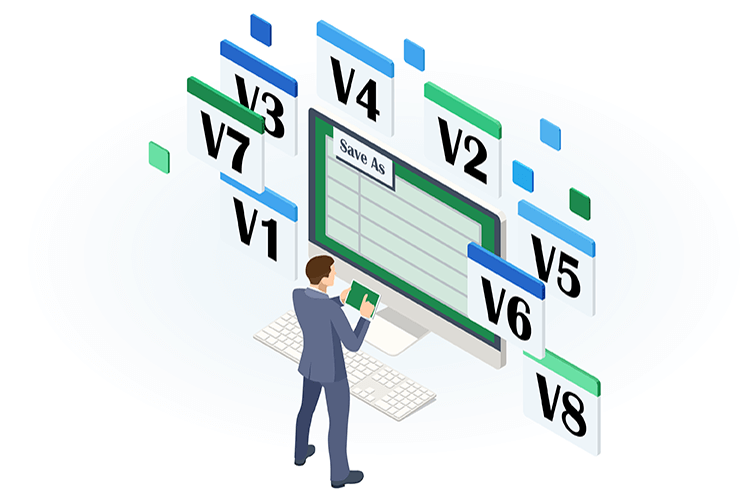
- Authentic electronic records—systems must prevent silent edits, keep change history legible, protect versions, and make evidence retrievable for the full retention window.
- Meaningful electronic signatures—each signature must be unique, permanently linked to the record, and protected so it cannot be reassigned or shared.
- Validated controls—systems must be qualified so regulators can trust the audit trail, security, and functionality that generated the record.
Embedded inside those expectations are ALCOA+ principles: records must be attributable, legible, contemporaneous, original, accurate, complete, consistent, enduring, and available.
Core processes that land inside Part 11’s scope
Every digital record that touches risk or GMP control lives under Part 11:
- Deviation investigations—every change, signature, and follow-up entry must be traceable.
- CAPA activities—root causes, actions, and effectiveness checks must stay connected with audit trails.
- Change control—approvals, impact assessments, and implementation evidence must be retained with validated signatures.
- Document control—each version must show who approved the revision and when.
- Training management—assignments, completions, retraining, and assessments must be attributable.
- Validation packages—test scripts, results, and decision logs must remain intact over time.
If these processes live in spreadsheets or disconnected apps, Part 11 readiness becomes a painful scramble of screenshots and extracted evidence.
The audit trail is the story regulators read
Inspectors start with the audit trail. They expect to see who touched a record, what changed, when it changed, and why. For example, if a deviation investigator reopens a report after a supplier shift, regulators want to know why, who approved it, and what evidence supports the decision.
The trail must be secure, tamper-resistant, and reviewable without chasing a dozen files. Audit trails that dump tech chatter without GMP meaning fail to convince.
Signatures that carry authority
Electronic signatures must be unique to each individual, tied to the record, and protected so no one can reuse them. Approving a change control plan requires more than a checkbox—it needs a timestamped signature tied to scope and risk.
Regulators will question a record if they can’t tell who truly authorized it or if someone signed after issues appeared.
Inspection reality: traceability, context, action
Inspectors verify:
- Audit trails across every GMP workflow.
- Context for edits—why they occurred, not just that they did.
- Unique user IDs instead of shared login combinations.
- Procedures describing how audit trails are reviewed and anomalies handled.
- Retention policies that keep records readable.
If your systems fail those checks, regulators question whether the digital evidence is honest or staged.
How Complere anchors Part 11 trust
Complere layers Part 11 controls into the broader quality story. Audit trails, electronic signatures, validations, and downstream quality activity sit in a single platform, which means you can:
- Demonstrate the full lifecycle from deviation through CAPA, change control, and training.
- Prove signatures are tied to policies, roles, and approvals.
- Keep audit trails readable and exportable without stitching together screenshots.
- Attach validation evidence and periodic reviews directly to the live system state.
When Part 11 becomes a trust framework instead of a checkbox, inspectors leave with facts, not follow-up questions.
.jpeg)
.jpeg)